Library interior with students studying and browsing books at Pensacola State College.

General Studies

Students who do not yet know in what area they plan to major or which upper-division school to which they plan to transfer may pursue the AA degree through a program of general studies. This route to the AA degree provides an avenue for students to take any college credit electives, in addition to the general education program requirements without following any one of the preplanned areas of concentration.

Students in sports science program running on the field near the Pensacola State College sign.

Exercise Science

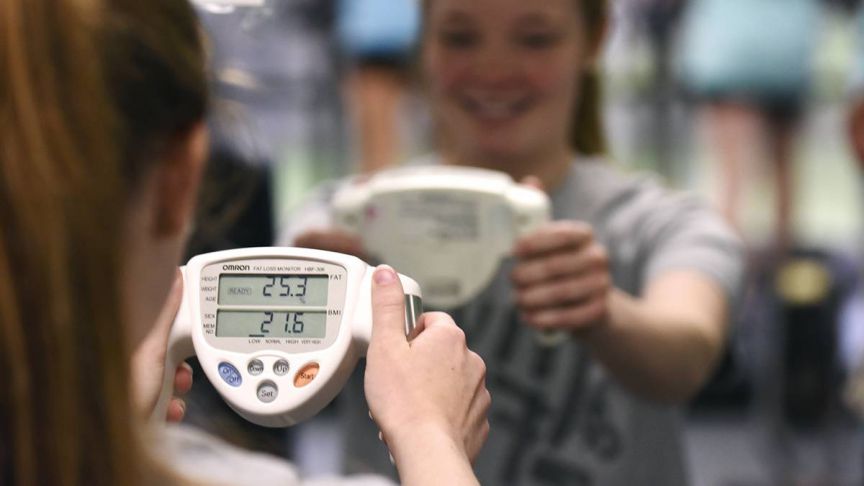
Provides the first two years of a baccalaureate degree for students seeking careers in exercise science or athletic training. Career settings includes health and fitness centers, educational institutions, cardiac rehabilitation units and other clinical settings, and amateur and professional sports organizations.

Volleyball athlete sitting on court with volleyballs at Pensacola State College sports management pr.

Sports Management

Provides the first two years of a baccalaureate degree for students seeking careers in the sports industry. Career settings include youth recreation programs, health, and fitness centers, athletic departments of educational institutions, and amateur and professional sports organizations.

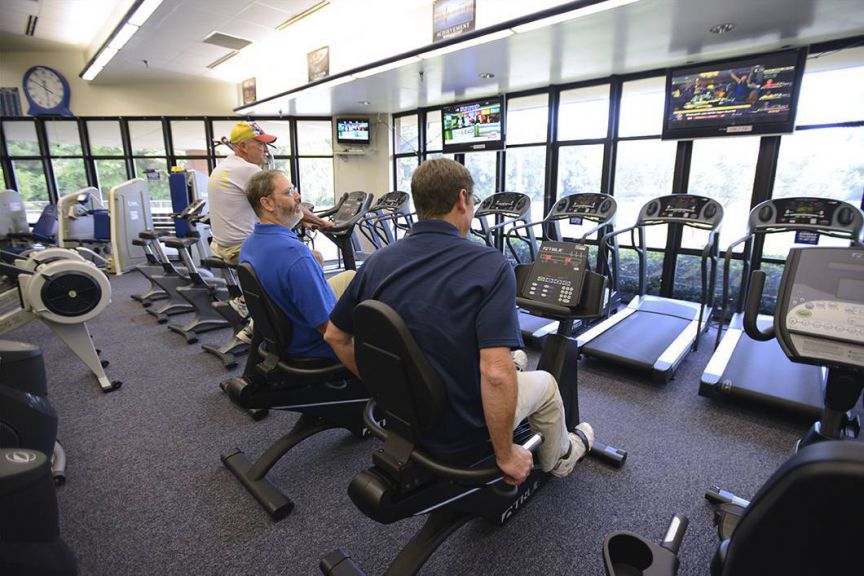
State-of-the-art gym facilities for physical education students at Pensacola State College.

Community Health Education

This program is the first two years of a four-year degree focused on disease prevention and community wellness. Career settings include public and private health units and non-profit agencies dealing with public health issues such as cancer, heart disease, birth defects, obesity, substance abuse, child abuse, and sexually transmitted diseases.

Psychology classroom with globe and students engaging in learning activities.

Elementary Education

Provides the first two years of baccalaureate program in teacher education. The program serves students who plan to teach in preprimary, early childhood, elementary, middle grades, special education or related settings. Students who want to teach in a high school setting (grades 9 through 12) should major in the appropriate content area.

decorative image of law-1-hr_jd82zl , Paralegal Studies 2016-09-08 20:56:06

Pre-Law

This curriculum provides the first two years in a pre-law curriculum for students who expect to enter law school upon completion of a four-year baccalaureate degree program. It is aimed at a broad general education in the liberal arts and sciences. There is no standard, prescribed pre-law curriculum. However, students who intend to enter a phase of law in which the major emphasis will be business should follow the business transfer program.

Business student engaged in classroom learning at Pensacola State College.

Business

Provides the first two years of a four-year university program leading to a baccalaureate degree in accounting, business administration, economics, finance, management, or marketing. However, the student who desires to postpone pursuit of a bachelor’s degree will have acquired sufficient knowledge and skill upon completion of this two-year program to be ready for employment.

Physics student using a telescope for astronomy and scientific research at Pensacola State College.

Physics

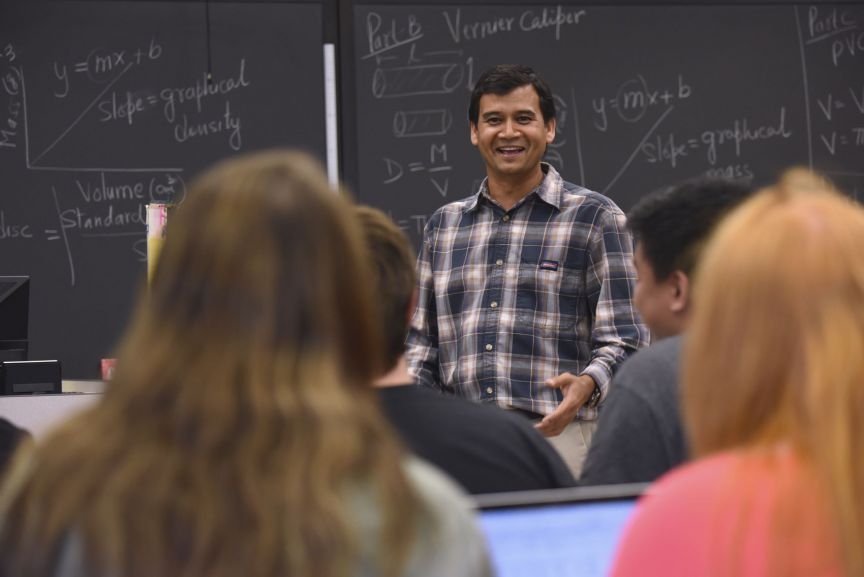
This program provides the first two years of a four-year university program leading to a baccalaureate degree in physics. The Pensacola State College curriculum has the necessary prerequisite courses for a completer to begin upper-division work as a university junior in the major.

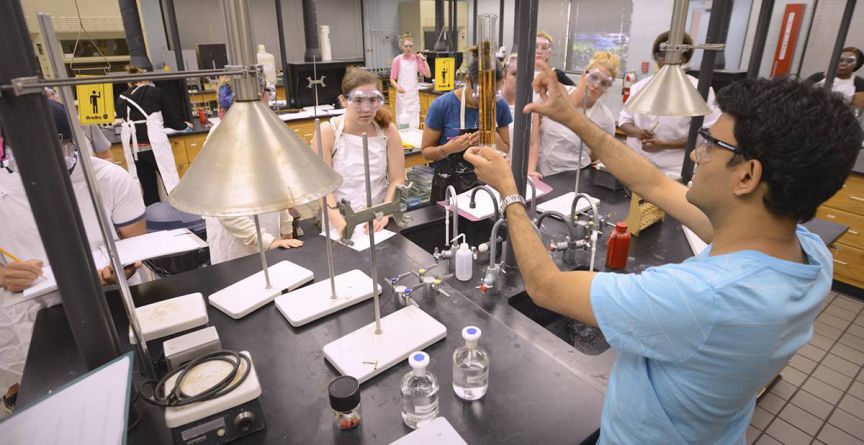
Students conducting chemistry experiments in a college lab setting.

Chemistry

This program provides the first two years of a four-year university program leading to a baccalaureate degree in chemistry. The Pensacola State College curriculum has the necessary SUS prerequisite courses for a completer to begin upper-division work as a university junior in the major.

Biochemistry student using a microscope in a laboratory setting for scientific research.

Biochemistry

This program provides the first two years of a four-year university program leading to a baccalaureate degree in biochemistry. The Pensacola State College curriculum has the necessary SUS prerequisite courses for a completer to begin upper-division work as a university junior in the major.

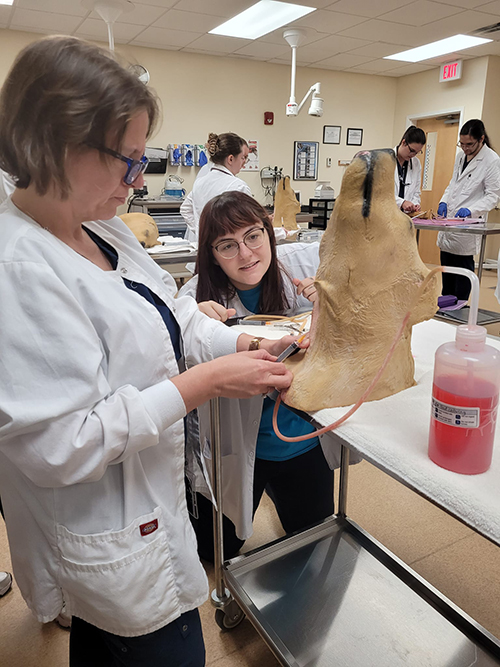
Highly skilled veterinary technology students working with animal models in educational lab.

Veterinary Technology

This two year, full-time program prepares students to perform entry-level skills as a Veterinary Technician. These skills are mastered through classroom instruction and supervised laboratory instruction. Each student will be assigned to a clinical work site throughout the program.
Pre-Nursing students attending a classroom session at Pensacola State College for healthcare trainin.

Pre-Nursing

The program as outlined below is intended to give the student the first two years of a four-year program leading to a bachelor’s degree in nursing and will satisfy the requirements of most baccalaureate nursing programs. In some instances, however, it is necessary for the student to take the entire program at the institution granting the nursing degree. Since requirements of colleges vary, students should obtain a catalog of the college to which they plan to transfer and consult with the dean of the intended nursing program in order to make the best choice of courses in junior college.

Anatomical human head and neck model used for pre-medical studies in college science labs.

Pre-Medical

The curriculum provides the first two years of college education for science majors seeking a baccalaureate degree followed by postgraduate work in a professional school.

Tree planting for natural resource conservation at Pensacola State College.

Natural Resource Conservation

This program of study offers the first two years of a baccalaureate degree program in forestry, wildlife ecology or resource conservation. Working in close cooperation with an academic advisor, Natural Resource Conservation students prepare programs of study according to their educational career goals, or they follow one of several specialized options. Natural Resource Conservation graduates find employment in government agencies, consulting firms and environmental education programs. This program was developed with agreement from several leading universities in forest studies including the University of Florida, Auburn University, University of Georgia and Mississippi State University.
Bird skeleton, anatomy, biology, avian structure, educational, Pensacola State College.

Biology

The AA Biology curriculum provides the first two years of college education leading to a baccalaureate degree in one of the biological sciences and will insure articulation into the major at Florida SUS institutions.

Agricultural science student examining vibrant plants in a greenhouse for higher education program.

Agricultural Science

The Agricultural Science program provides the first two years of a four-year baccalaureate degree. Students finishing the program will be prepared to enter the Florida Agricultural and Mechanical University agricultural program in Agriculture Science.

Psychology counseling session with a student and counselor at Pensacola State College for mental hea.

Psychology

This program is designed to provide the first two years of a baccalaureate degree in Psychology. Students should consult with an advisor at the college or university they plan to attend for the specific courses recommended by that institution.
Student contemplating philosophy concepts outdoors on campus bench, engaging in reflective thinking.

Philosophy

This program is suggested for students who wish to pursue an AA degree with a concentration in philosophy. It will provide an excellent basis for anyone who plans to continue toward a higher degree in the liberal arts or the humanities.

Engaged students in a history classroom with a world map, promoting higher education and global awar.

History

The History–Public Service AA is designed to meet the academic needs of students who have a strong interest in history. This program provides students an opportunity to begin studies for upper division work in history, political science, law and education.
College student studying with textbooks and notes for higher education success.
English

This program is designed for students who wish to pursue a degree in English at a university. Students who complete this program will be ready to enter their junior year with a rich background in American and English Literature complemented by related elective courses.

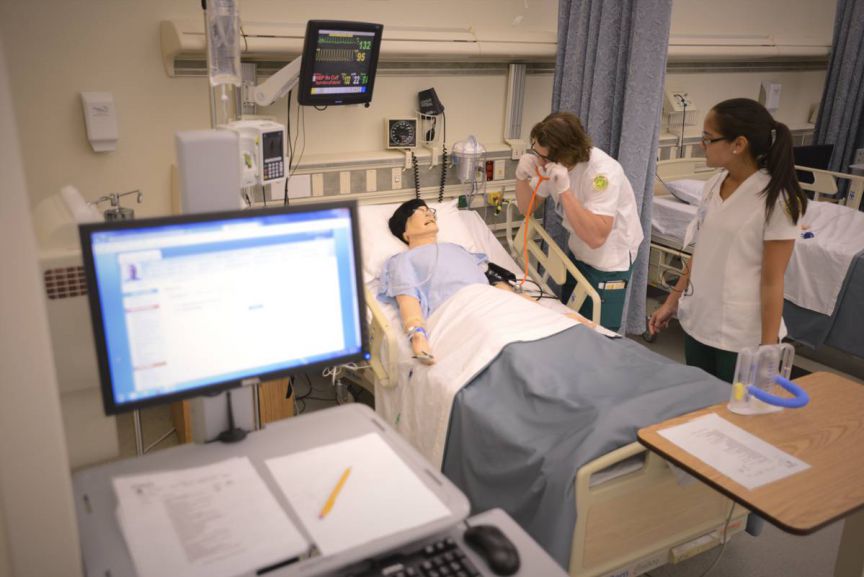
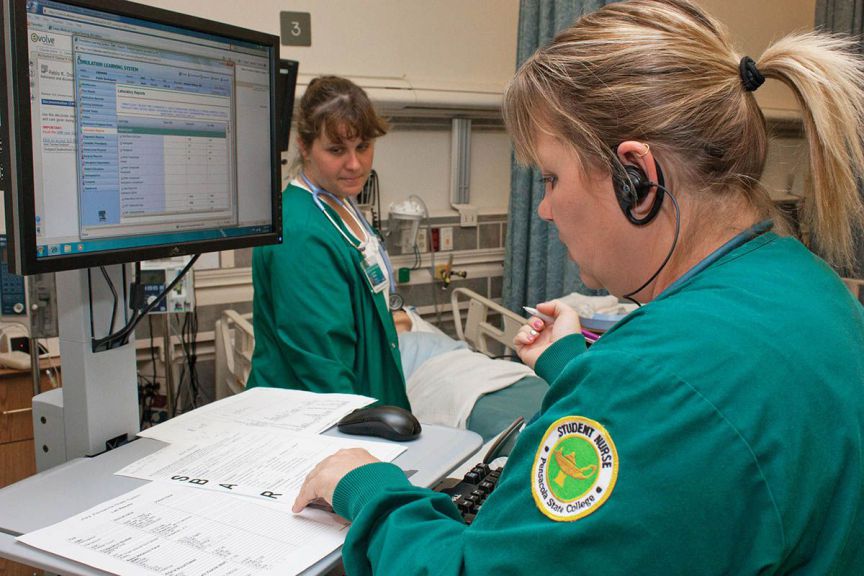
Nursing RN training simulation with students practicing patient care in hospital clinical skills lab.

Practical Nursing

Prepares the students to perform safe nursing care as a practical nurse under the direction of a Registered Nurse or a licensed physician. Entry-level skills are acquired through classroom instruction and supervised experience in the laboratory and hospital. The program completers are eligible to take the National Council Licensure Examination for Practical Nurses.

Surgical nurse performing perioperative care during a medical procedure.

Perioperative Nursing

Prepares the students to perform safe nursing care as a practical nurse under the direction of a Registered Nurse or a licensed physician. Entry-level skills are acquired through classroom instruction and supervised experience in the laboratory and hospital. The program completers are eligible to take the National Council Licensure Examination for Practical Nurses.

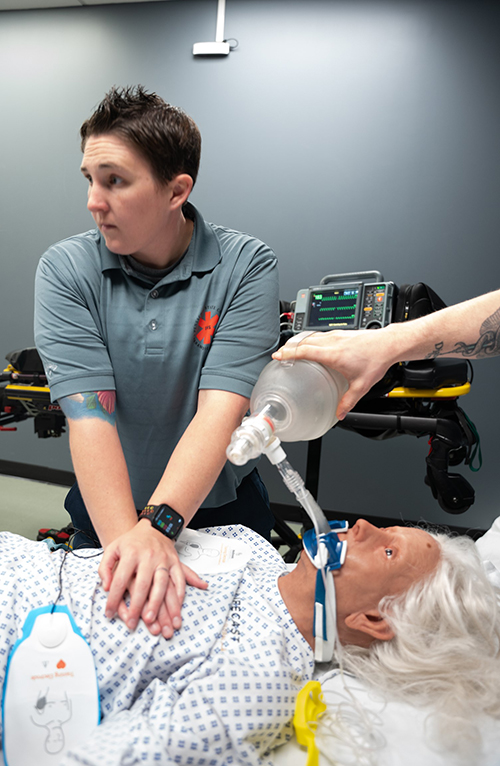
Critical care nursing training with students practicing patient care techniques.

Critical Care Nursing

This advanced certificate is designed for the registered nurse who has had no previous experience in critical care. At the completion of this course, it is expected that the nurse will be able to practice independently at the beginning level in a high acuity setting. Course content includes knowledge and skills required to provide nursing care to patients with multisystem disorders.

Nursing RN training simulation with students practicing patient care in hospital clinical skills lab.

Nursing RN

The Nursing faculty believes that associate in science degree nursing graduates contribute necessary, unique and skilled competencies to the health care system. The Department of Nursing’s mission is to provide quality educational opportunities for students seeking to enter the healthcare arena and to meet the healthcare needs of the community. Classes and clinical experiences are offered day, evenings and/or weekends. Graduates will be eligible to apply to the National Council Licensure Examination for Registered Nurses (NCLEX-RN).

Highly skilled students practicing blood collection techniques in a clinical lab setting.

Phlebotomy Technician

This Career and Technical Certificate program trains participants in the basic and supporting skills of the phlebotomist. Skills will include: blood specimen collection by venipuncture and capillary puncture, basic anatomy and physiology, infection control, safety and patient relations.

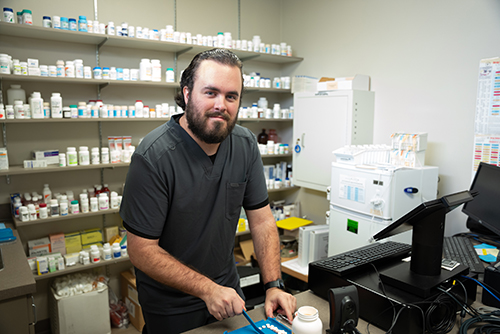
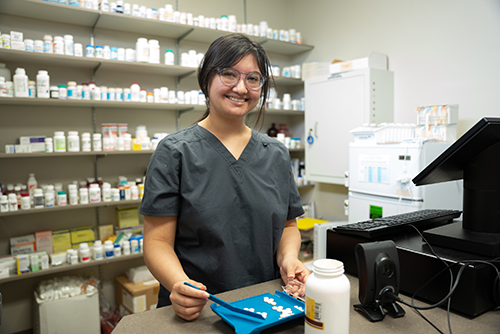
Highly skilled pharmacy technician working in a pharmacy setting at Pensacola State College.

Pharmacy Technician

Pharmacy Technicians are trained Health Care professionals who work in both institutional and community pharmacy settings under the supervision of a pharmacist. Pharmacy technicians assist pharmacists in dispensing medications and are accountable to the supervising pharmacist who is legally responsible through state licensure for the care and safety of patients served by the pharmacy.

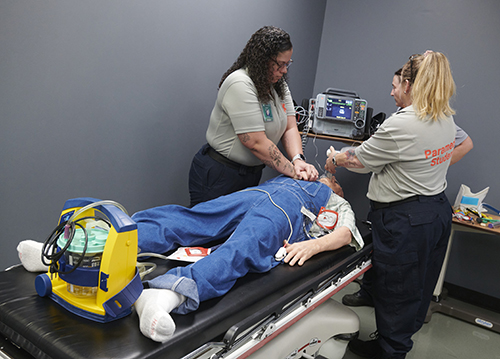
Paramedic training simulation with students practicing patient care on a medical mannequin.

Paramedic

The four semester certificate program is designed to provide those responsible for pre-hospital emergency care the opportunity to become skilled in advanced life support measures.

Medical information coder/biller training in higher education setting.

Medical Information Coder/Biller

The Medical Information Coder/Biller program provides the student with the technical skills necessary to code medical diagnosis, procedures and services provided for reimbursement in a wide variety of settings including hospital outpatient, ambulatory surgery centers, clinics and physician offices.

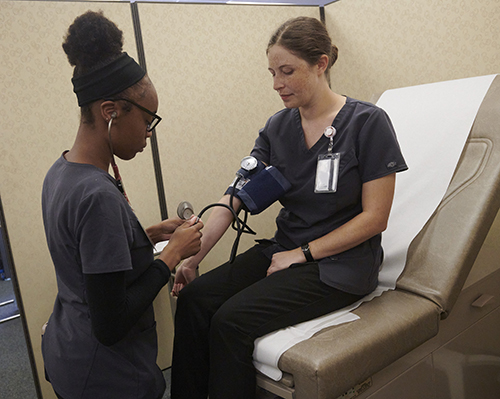
Medical assisting student measuring blood pressure for clinical skills training.

Medical Assisting

This one-year certificate program prepares students for employment as Medical Assistants and is accredited by the Commission on Accreditation of Allied Health Education Programs (www.caahep.org) upon the recommendation of the Medical Assisting Education Review Board (MAERB).

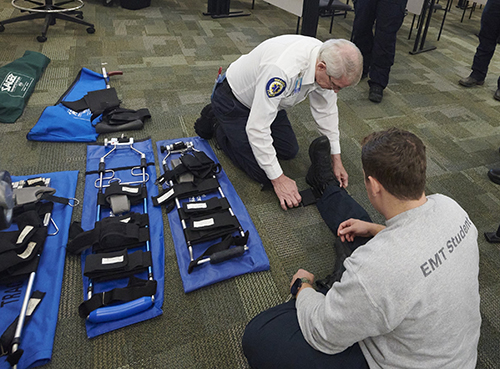
Emergency Medical Technician student practicing first aid techniques with instructor.

Emergency Medical Technician

The program is designed to provide an opportunity for persons interested in pre-hospital emergency care to become skilled in basic emergency care to save lives and reduce injury. The Florida Department of Health, Bureau of EMS, has approved Pensacola State College as a training center for EMT and Paramedic.

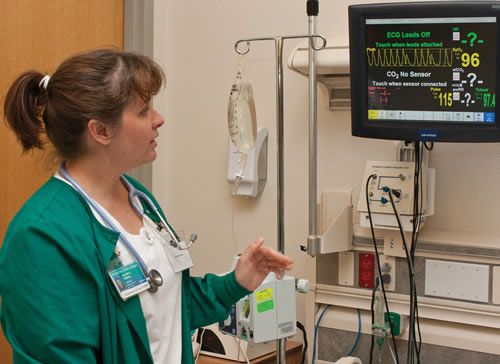
Electrocardiograph technician monitoring patient heart activity with ECG machine.

Electrocardiograph Technician

This program is designed to prepare students for employment as electrocardiograph aides, electrocardiograph technicians, EKG technicians or other jobs requiring knowledge of how to perform a 12-lead EKG and recognize a cardiac emergency. Course content includes an understanding of normal cardiac function, relationship of EKG markings to normal function, preparing a patient mentally and physically, setting up equipment properly, recognizing cardiac emergencies, interpersonal skills, overview of cardiovascular anatomy and physiology, medical terminology, patient care techniques, medical instrumentation, cardiovascular drugs, interpretation of monitoring and testing results, medical ethics, cardiac wellness and rehabilitation, safe/efficient work practices, CPR and employability skills.

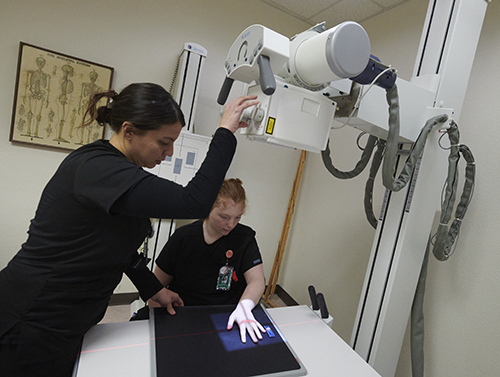
X-ray technician demonstrating radiography procedures with digital imaging equipment.

Radiography

The 23-month full-time curriculum has been designed to assist students in developing and mastering basic clinical competencies and theoretical concepts of current radiography practice. Graduates receive an AS Degree in Radiologic Technology and are eligible to sit for the national examination given by the American Registry of Radiologic Technologists.

Highly skilled pharmacy student managing medication inventory in a pharmacy lab setting.

Pharmacy Management

The Associate in Science (A.S.) degree in Pharmacy Management expands on the curriculum of the Pharmacy Technician Applied Technical Diploma to prepare students for careers as Pharmacy Technician Specialists. Students can enroll directly into the A.S. degree program or transition from the Pharmacy Technician ATD program.

Nursing student working on a laptop for Practical Nursing Association activities.

Health Services Management

Health Services Management graduates work in the administrative support areas of the health field. Positions include professional duties in hospitals, clinics, insurance companies, pharmaceutical firms and doctor’s offices. Health Services Management professionals have little or no direct patient contact, but provide business and administrative services “behind the scenes” by managing insurance, payroll, patient admissions, billings, regulatory reports, marketing, auxiliary services and other similar administrative functions.

Advanced health information technology training for nursing students.

Health Information Technology

The two-year degree provides a student with the technical skills necessary to prepare, analyze, and maintain health information required by the patient, health facility and public. The program is accredited by the Commission on the Accreditation for Health Informatics and Information Management (CAHIIM). Graduates of the program are eligible to sit for the national qualifying examination offered through AHIMA for certification as Registered Health Information Technician (RHIT).

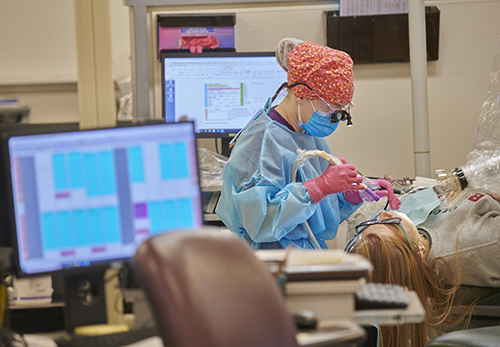
Dental hygiene student providing patient care in a clinical environment at Pensacola State College.

Dental Hygiene

A two-year curriculum designed to prepare students to master clinical competencies and prepare the students of all of the roles of a dental hygienist. Graduates receive an AS degree in dental hygiene and are eligible to sit for the state board examination in any state in which they desire to practice.